Fractional VP of Strategy
Who it is for. Food and produce operators who need executive judgment at the leadership table but cannot justify, or do not want, a full-time strategy hire.
What I actually do. Strategy development, initiative leadership, vendor and contract strategy and renegotiation, and board-ready reporting. The core of the role is bridging finance and operations: translating between the P&L and the packing line so both sides are working from the same facts.
In practice that bridge work has included:
- Grower settlement economics and payment-model strategy, such as moving from average-price settlement to account-of-sale settlement, where each grower is paid on the actual sales of their own fruit
- Grower pooling analysis
- GL and trial-balance reconciliation between the operating ERP and corporate finance systems
- Budget versus actuals analysis
- Margin, cost, and KPI capture for quality and commodity teams
- Foreign exchange strategy for cross-border programs
The other half of the job is synthesis. Leadership, finance, operations, and vendors each tell you something different in separate rooms. I turn what they each said into one strategy everyone can actually execute.
What you walk away with. A senior strategist who already speaks your industry's language, a clear plan your whole leadership team is behind, and numbers everyone trusts.
AI Positioning & Strategy
Who it is for. Owners, CFOs, and GMs who are being told from every direction that they need AI, and want a straight answer about where it belongs in their business and where it does not.
What I actually do. Advisory first, implementation second.
On the advisory side, I help leadership decide where AI genuinely fits: honest economics about what it really costs to run, in plain language, and a clear-eyed separation of vendor hype from working capability. I also give you an AI-readiness view grounded in the state of your data, because AI is only as good as the governed data underneath it. That is why Data-as-a-Service and AI strategy are one conversation, not two.
On security, I design defense-in-depth architecture for exposing company data to AI: curated read-only data layers, identity and access controls, and data-sensitivity classification. Written for an owner or CFO to understand, not just an engineer.
On implementation, the offer is concrete. Starting from the governed data layer that Data-as-a-Service builds, I design the views and organize the data for AI use, then lay an MCP server over it. MCP, the Model Context Protocol, is an open standard that lets AI tools read your data through a controlled, permissioned interface instead of a database login. That one layer gives you both paths: stand up your own internal AI assistant on your own data, or be ready for whichever AI platform you choose to stack on top of it later, without redoing the plumbing.
Then I run a practical rollout with real users. This is proof, not buzz: I have designed and shipped this architecture for a produce enterprise, not just advised on it.
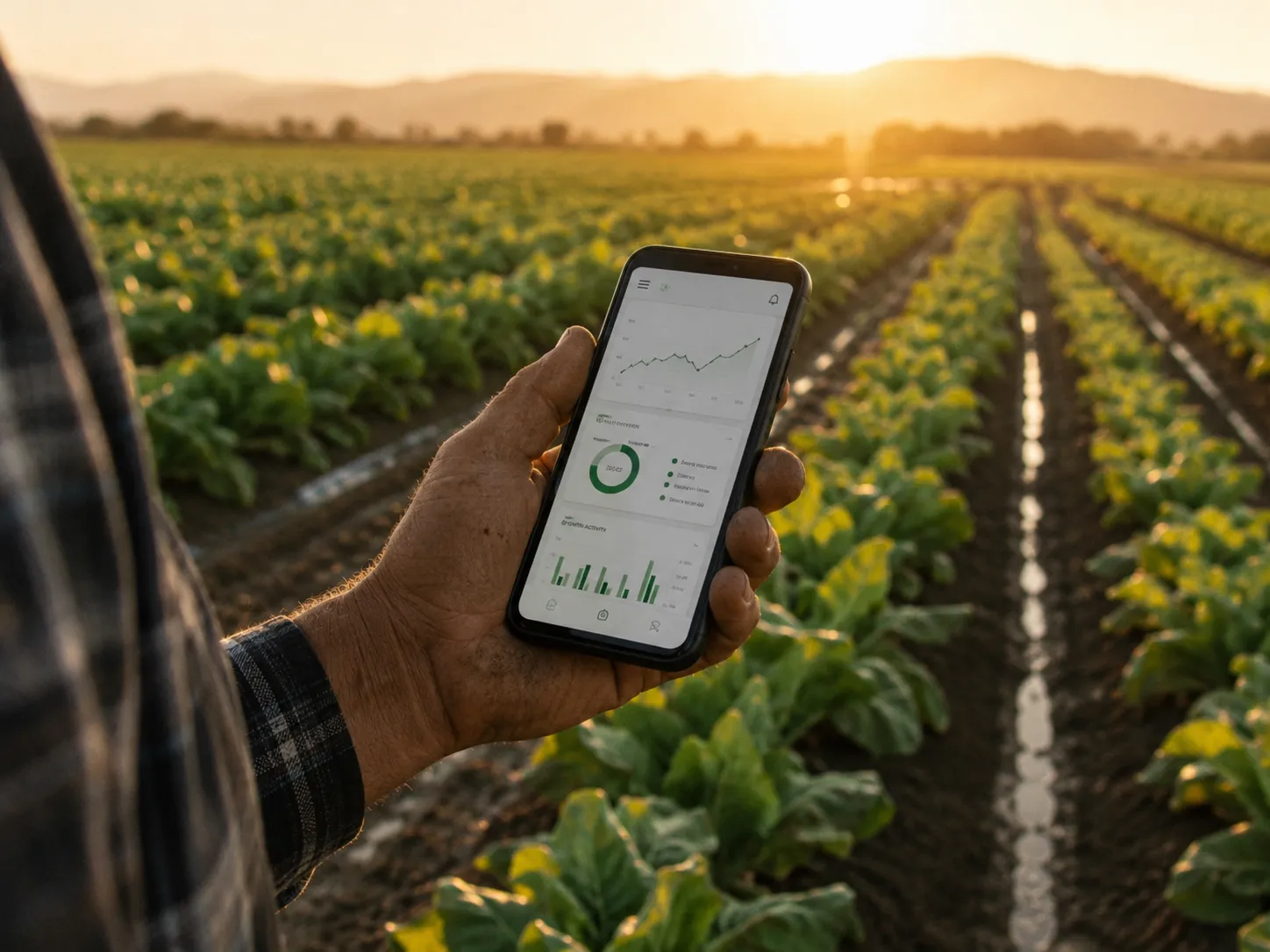
What you walk away with. A defensible AI position, honest cost expectations, and if you choose to proceed, a working rollout on data you can trust.
Data-as-a-Service
Who it is for. Companies whose data is locked inside their ERP, where every report starts with someone exporting to Excel and every meeting starts with an argument about whose numbers are right.
What I actually do. I extract the authoritative data from your ERP into a governed data layer, built on Azure SQL, keep it current automatically, and serve it to your reporting, your web applications, and your AI tools.
Governed means two things in plain language. First, every customer, grower, item, and lot has one permanent ID, so a record means the same thing in every report that touches it. Second, the data flows one way from the system of record, so nobody can quietly edit a number in a spreadsheet and change the story. That is what makes a single source of truth: when finance and operations pull a report, they get the same answer, every time.
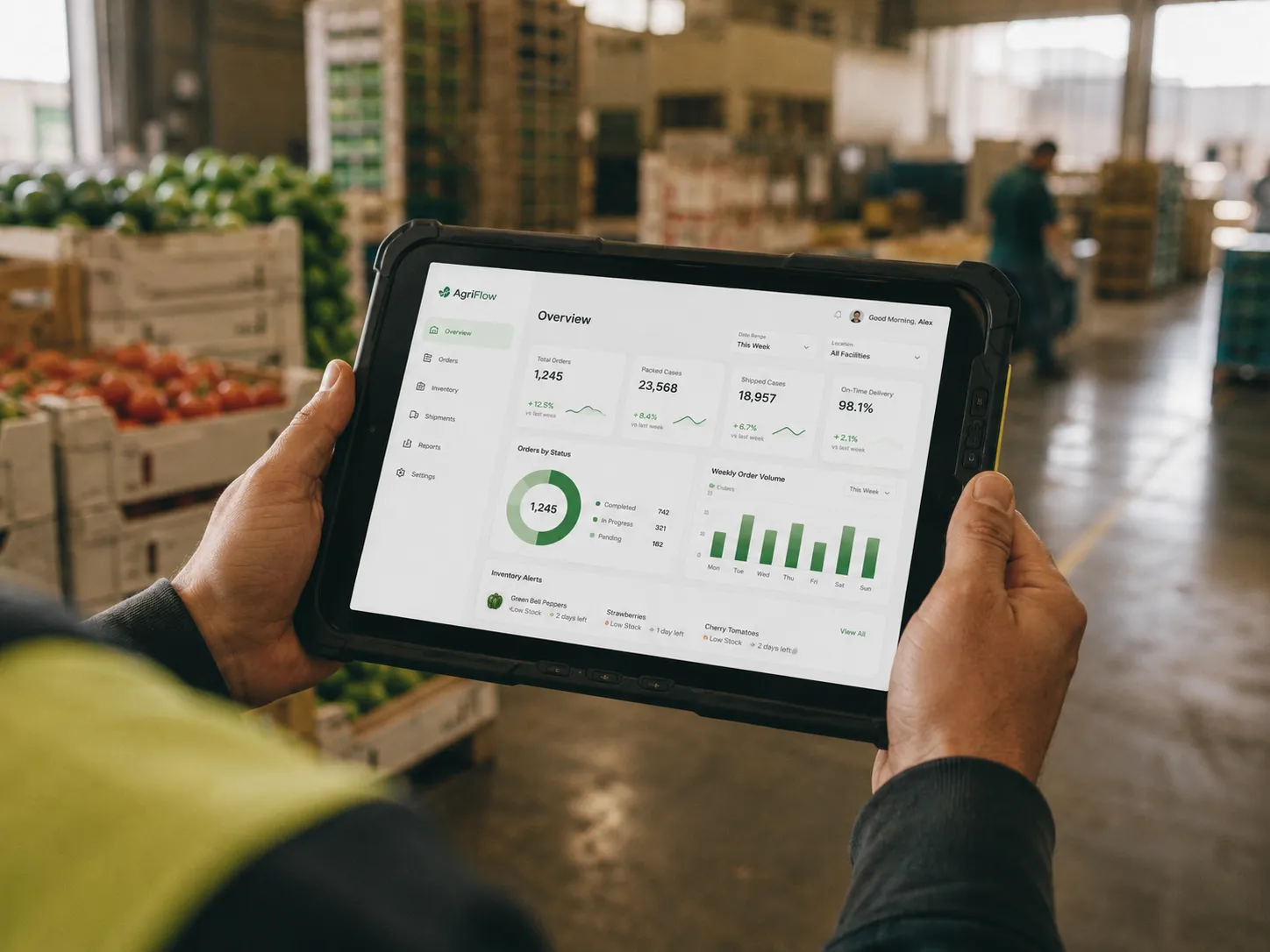
What you walk away with. A monthly managed service: your data, current and trustworthy, available to every tool you use, without hiring a data team. It is also the launchpad for AI: the same governed layer is what an MCP server sits on top of when you are ready to put AI to work on your own data.
Technology Strategy & Selection
Who it is for. Operators facing a systems decision: replacing a legacy produce ERP, adding field data capture, QC, or analytics platforms, or untangling a stack that grew one urgent purchase at a time.
What I actually do. Vendor-neutral evaluation. I sit on your side of the table, define the real requirements, run the evaluation, and pressure-test vendor claims against how your operation actually works. I take no referral fees from vendors.
My philosophy is the hybrid ecosystem: the right answer is often two complementary systems working together, not one vendor's promise to do everything. The goal is a stack that fits your operation, not an operation contorted to fit a stack.
What you walk away with. A decision you can defend to your board, contracts negotiated with someone who knows what the software should really cost, and a realistic implementation plan.
Custom Business Web Applications
Who it is for. Teams running critical workflows through spreadsheets and email: request forms tracked in inboxes, approvals that stall for days, bulk updates keyed in by hand.
What I actually do. I build purpose-built internal tools: request forms, approval flows, bulk uploads, and cross-referenced reporting. Each one is built on your own governed data layer, so the apps and the reports never disagree with each other or with the ERP.
What you walk away with. Tools shaped to how your team actually works, hours of re-entry eliminated, and an audit trail where there used to be an inbox.
You do not have to take my word for how these feel to use. I keep a set of interactive demos, real apps I have built, rebuilt with invented data, that you can click through in your browser.
Browse the app demos
Lean Process Redesign
Who it is for. Operations where work moves through manual re-entry, broken handoffs, and spreadsheet-and-email workflows, and nobody is sure anymore which steps are required and which are just habit.
What I actually do. I map how work actually flows, not how the org chart says it should. Then I reorganize the process around that reality: eliminating duplicate data entry, fixing the handoffs where things fall through, and separating real business requirements from legacy habit.
What you walk away with. A process your team can run without heroics, fewer places for errors to hide, and a clear picture of which requirements are real before you buy or build any software.
Expert Witness & Advisory
I am available for consulting-expert and expert-witness engagements in ag-tech, ERP, QC software, and data integrity matters. I have been retained as an expert in an ag-tech QC software matter that resolved before trial. Attorneys can reach me directly by email to discuss a matter in confidence.
